21 July 2022 | 3 min read
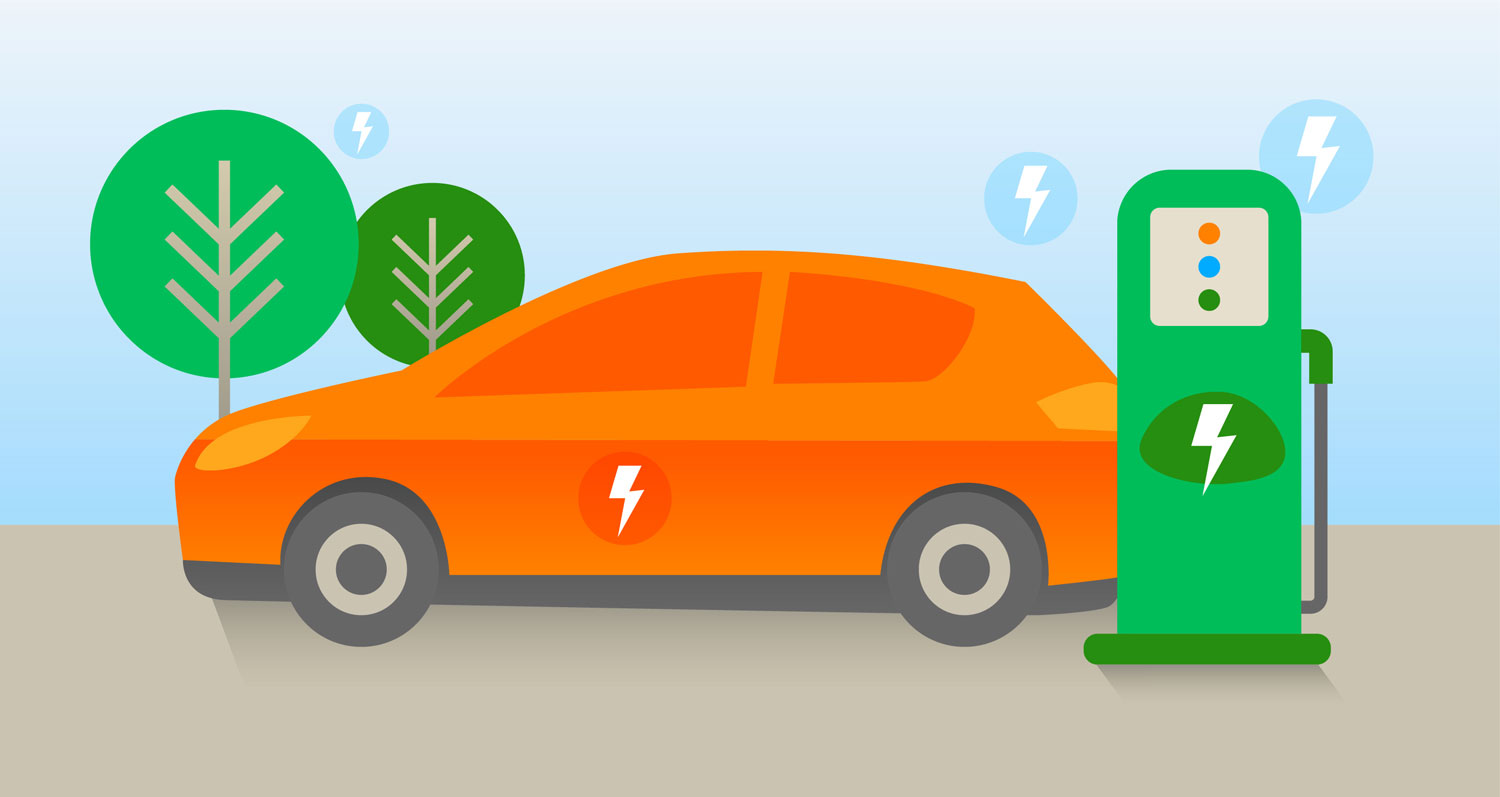
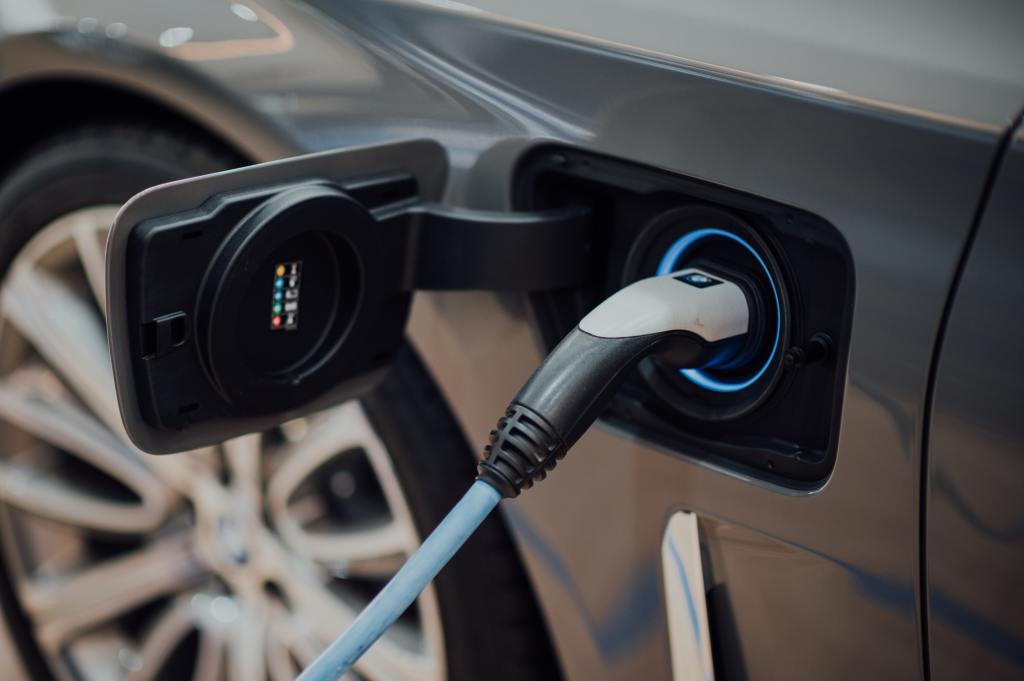
The EU Parliament recently voted in favor of a resolution to stop the sales of petrol and diesel cars by 2035. This is a huge step toward climate neutrality, and it’s important that all business owners understand what this means in terms of outcomes.
In this article, we will discuss the implications of this decision and what it could mean for the future of automotive transportation and the diffusion of more and more electric vehicles.
On June 8th, the European parliament voted to back a resolution to phase out the sale of new petrol and diesel cars by 2035 in favour of electric ones. This is part of the EU’s goal to achieve climate neutrality by 2050.
While the initial vote has been passed, the MEPs will still need to negotiate the exact specifics of the law with the representatives of the EU’s 27 national governments.
However, the overall goal is to have a Europe-wide ban on the sale of new petrol and diesel cars by 2035. This would mean that only electric vehicles would be sold in the EU after this date.
The primary driver of this vote is the current climate change crisis. The Intergovernmental Panel on Climate Change (IPCC) has released a report which states that the global community must take “unprecedented” action to cut greenhouse gas emissions by 45% before 2030 in order to avoid a temperature increase of more than 1.5°C.
The EU is also under pressure to meet its commitments under the Paris Agreement, which it ratified in 2016. The agreement commits signatories to take steps to limit the global average temperature increase.
The vote is also in response to mounting public pressure on the issue of climate change. In recent years, there have been a number of high-profile protests by groups such as the Extinction Rebellion and the Fridays for Future movement.
Another driver of this vote is the health of European citizens. Air pollution from petrol and diesel cars is responsible for over 400,000 premature deaths in the EU each year, the switch towards electric cars only can be a turning point.
The first thing to note is that this is a target, not a ban. This means that it is not legally binding and will only come into effect if member states agree to it.
It’s also important to note that the target date is 2035, not 2030 as some had hoped. This gives carmakers a little over 15 years to switch to electric vehicles.
However, there are a number of challenges that need to be overcome before this can happen. Firstly, there needs to be a significant increase in the production of electric vehicles. This will require a huge investment in the manufacturing infrastructure as well as in the development of new battery technologies.
Secondly, there needs to be a major expansion of the charging network. This will require both public and private investment in order to create a comprehensive network of fast-charging stations.
Finally, the price of electric vehicles needs to be reduced in order to be affordable for the average consumer, not anymore as a premium class product.
The EU Parliament’s decision is a bold and necessary step in the fight against climate change. However, it will only be successful if these challenges are addressed promptly and effectively.
There seem to be some proactive intentions to tackle this situation. Some of the major car manufacturers out there are already starting to invest in electric vehicles:
It’s clear that major manufacturers are starting to take electric vehicles seriously and are investing heavily in the technology. With the EU Parliament’s recent decision, it seems that the writing is on the wall for petrol and diesel cars. It’s time to start making this switch real.
While the popularity of electric cars has been growing in recent years under its own steam, the decision by the EU Parliament is a welcome boost. The move will help to accelerate the switch to electric vehicles and put pressure on manufacturers to speed up their plans.
It’s also a sign that policymakers are starting to take climate change seriously and are taking steps to reduce emissions from transport… for real. This is a crucial passage, if the global community is going to meet the set targets for reducing greenhouse gas emissions, then avoiding the worst impacts of climate change could turn into reality.
The switch to electric cars is not without its challenges, but it is a necessary one if we are to avoid the worst case scenario of climate change. With the right policies in place, the transition can be managed efficiently, benefiting both consumers and, especially, the environment!

Sales and Marketing Associate at 2hire
I love running and daydreaming losing count of the distance I’m covering, cooking (and especially eating) and Drake is my spirit guide.
Posted on July 7, 2022 by Benedetta Biggi
15 Jan 2022 | 3 min read
In July 2020, the European Council approved the Next Generation EU, most commonly known as the Recovery Fund or Recovery Plan. Italy is the biggest recipient of the EU fund, achieving more than €200 billion to invest in different areas. One of the six missions that Italy aims to accomplish is titled “infrastructures and sustainable mobility”. The overall goal of the project is to invest in making it easier to have a connected mobility throughout Italy, without burdening our precious environment.
The Recovery Plan is designed to relaunch the EU economy overwhelmed by the pandemic crisis, which seems to be quite an expensive affair. The Recovery Fund amounts to €750 billion. The Italian Economy Commissioner, Paolo Gentiloni, defined it as “the most important economic decision taken since the introduction of the Euro”.

Italy got the first part of a more than €200 billion, obtaining 28% of the total European Union fund. The largest chunk of money, €74.5 billion, was decided to be invested in the green revolution. Indeed, 30% of the total Recovery Fund is earmarked for the Green New Deal, in accordance with the Paris climate agreement. Further, €48.7 billion was planned to be invested in digitalization and innovation. And finally, the third biggest investment was made in sustainable mobility and infrastructure, with an amount of €27.7 billion. The rest of the money was allocated for improving education, research, health care, and gender equality.
So, let’s dig a little deeper.
The allocations for mobility in Italy are mainly allocated to the realization of the high-speed railway lines. Within this project, one of the main objectives is the completion of a high-speed network in the South of the country, where the railway system is the poorest.
In Italy, we are below the European average for train travels. In fact, according to Eurostar data, only 6% of Italians move by train as passengers, while 8 out of 10 of us drive a car. Therefore, the Italian Ministry of Transport has decided to incentivize Italians to use trains, and make it an easy game for us through the realization of strategic operations. Most of the projects concern the South part of our country, and many others focus on regional commuter routes. Among the main ones are the high-speed lines of Salerno-Reggio Calabria, the lines between Palermo, Catania and Messina, and the connection line between Venice and Trieste. Further, a series of other works in Liguria, Rome, Sicily and Puglia.

On the other hand, €8.5 billion was the money invested in urban mobility. This amount of billions was allocated to the strengthening of sustainable local transport through the extension of bicycle paths, buses, subways, and streetcars.
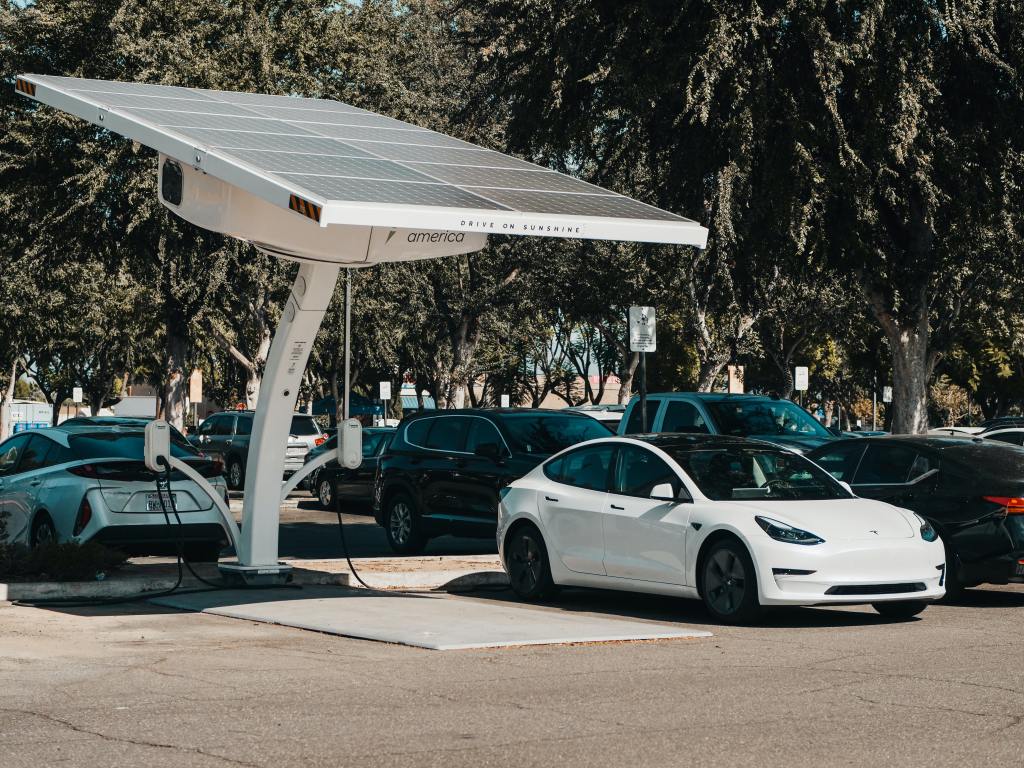
The “urban mobility” project also includes the construction of electric charging stations throughout the country, and hydrogen refueling points for road and rail transport.
Next Generation EU focuses on revitalizing its member countries through a different and more sustainable development model. Precisely, one of its strategies is to increase the sustainable production of hydrogen.
As a result, Italy has allocated €3.2 billion for research, testing, production, and use of H2. Quite simply, a hydrogen car emits zero CO2, as only water vapor is emitted from its exhaust pipe.
The Italian government, therefore, assigned an important role to hydrogen in the plans for ecological transition and set up ambitious targets for the development and application of this energy vector by 2030.
But this is not only happening in Italy. The Next Generation EU commission presented Flagship projects across member states, and one of them is called “Recharge and Refuel”. Within this, green technologies are promoted to incentivize the future use of sustainable, accessible and smart transport, zero and low emissions vehicles, charging and refueling stations. By 2025, the completion of charging points and hydrogen stations around the EU countries is expected to rise up considerably.
We all know it by now: Greta was right, the future is green. To be fair, not only the Swedish environmental activist says so. More than 99% of climate scientists agree with establishing human responsibility for climate change.
Italy recently presented its National Green Transition Plan, also responding to the challenge of the Green Deal, which sees the European Union commit to ensuring a more sustainable future for all. Thus, the Recovery Fund grants are closely linked to the country’s Green Transition Plan in order to boost Italy’s economy.

Starting from 2030, to reach the goal of completing decarbonization, the plan foresees that at least 50% of motorizations will be electric. But this isn’t everything.
Among the regulatory interventions to encourage the development of clean road mobility in Italy, we find the eco bonuses: monetary incentives for the purchase of electric or hybrid vehicles. The bonuses were initially launched in 2020, to then be repeated in 2021 with an additional stationing of €100 million.
The eco bonuses really seem to have an impact on the electric vehicles market in Italy. According to the data provided by the Ministry of Infrastructure and Sustainable Transport, in June 2021 the new registrations of electric cars recorded an average increase of +350% compared to 2020.
On the one hand, the “kick-scooter bonus” has been contested and mocked by many, on the other, it seems to have started a trend in the use of electric vehicles. Between September 2020 and September 2021, the eco-scooter increased by 35%. Surely, the electric vehicle is one of the greenest ways to move around the city. The use of it does not cause any carbon dioxide or particulate matter emissions. Moreover, it is a pretty fast way to avoid a traffic jam.
In 2020, 7.4 million rentals of electric scooters were recorded in Italy, costing a net saving of 2 million kg of CO2. But we do not need to read numbers to realize that the phenomenon is growing, we can simply look around us.
For example, one of the latest initiatives launched by two sharing companies, Helbiz and Bird Rides Italy, involved offering two free 15-minute rides on electric scooters to the polling station to vote in the October 3-4 local elections. The service not only encouraged citizens to vote but also incentivized the use of micro-mobility in large cities.
Unfortunately for the most curious, it will be necessary to wait until the end of 2026 to find out all of the projects in which the recovery fund will be committed. The €27 billion investment in “sustainable mobility and infrastructures” makes room for imagining further upgrading of national railways and roads, safer bridges and viaducts, new cycle paths, greener cities, and cleaner air. The overall mission goal is to make it easier for all Italian citizens to be connected in an eco-friendly way.
Time will tell if Italy will succeed in accomplishing the imposed targets of the European Union. What is clear right now is that we, as a community, have the occasion of a lifetime to really change the mobility, finding a green, sustainable path to the future.

External contributor at 2hire
I love going to live in places where no one knows my name. I prefer nature over cities, books over movies, music over silence.
Posted on January 19, 2022 by Benedetta Biggi
04 Aug 2021 | 5 min read
The overshoot day. The day on which we all exhausted the resources that the Earth is capable of producing in the whole of 2021.
For the fourth time in five years, the overshoot day falls in July. The only time it didn’t was in 2020, with the pandemic shutdown. In other words, with this current consumption of resources, we would need 1.75 Earths this year. In Italy, we would even need the resources of 2.7 Earths.
We consume more than the planet is able to give us, which is why sustainability must become the cornerstone on which to build a mobility that is not only innovative, but also capable of supporting and being supported by the Earth.
EU leaders have committed to building a carbon-neutral economy and society by 2050, and transport is one of the key sectors targeted by effective public policies to reduce CO2 emissions and where adaptation measures are needed to reduce vulnerability to climate change.
Society must undergo a transformation that requires a drastic reduction in greenhouse gas emissions to achieve the goal of carbon neutrality by 2050, while ensuring affordable alternative solutions for citizens.
According to the latest statistics from the United Nations Economic Commission, the transport sector is responsible for about 30% of CO2 emissions in industrially developed countries and for about 23% of total man-made CO2 emissions worldwide.
New solutions must be found to increase resource efficiency towards a more socially and environmentally sustainable society.
Gustave Le Bon said that the need for certainty has always been stronger than the need for truth. In the case of CO2 emissions, the need to publicise that it was not such a deep-seated problem has been, for many years, greater than the need to analyse and seek real solutions to a deep-rooted problem such as CO2 emissions.
Switzerland’s Energy Programme, launched by the Federal Council in 1991, promotes the rational use of energy in the country, and in a February 2020 report states that the production of electricity from renewable sources should be intensified in parallel with the development of electric mobility. In addition, electric vehicles do not directly emit pollutants, so in urban areas with heavy traffic, they can even improve air quality.
As things stand, yes, electric vehicles do still emit CO2, but in a reduced amount. The final goal is to reach such an energy autonomy and efficiency that the benefit gap between electric and combustion vehicles will become ever greater and will pave the way to a 100% EVs transition.

Vehicles sharing is an urban mobility tool based, as the term suggests, on the use of a fleet of vehicles by several people who use them according to their needs. It is a highly effective solution for those who do not have a mean of transportation but need it occasionally, for those with limited mobility needs and for those who need to integrate public transport services.
The established sharing services offer is characterized by several environmentally friendly effects:
In addition to the relief effects resulting from the environmentally conscious transport behavior of vehicles sharing participants, a positive effect is achieved by the fact that greener vehicles are used in sharing than in the private or company fleet. The tariff system, which is staggered according to vehicle size, leads users to choose vehicles with smaller engines and dimensions depending on their intended use. Compared to new private vehicles, sharing ones emit on average 15 to 25 percent less climate-damaging C02 per kilometer driven.

For example, the price structure of sharing services providers allows users to cover a wide range of user needs in a cost-effective and environmentally friendly way. To this end, the providers offer a variety of different vehicle models from which the user can choose the most suitable one for the upcoming trip: the compact one for the business trip, the station wagon for the family outing, the scooter for the leisure trip in nice weather or a minibus for the team of the local sports club.
This principle is applied to all kinds of vehicles when they are integrated into the fleet. Whether short or long distance, the most environmentally friendly drive is available for every purpose in the sharing mobility module. When booking vehicles, users can decide whether an electric car or a vehicle with a conventional drive is the right vehicle for their next trip and are gradually introduced to the use of electric vehicles.
The average usage patterns in the sharing world fit well with the performance parameters of modern electric vehicles. For example, an electric car in carsharing can easily handle three typical city trips of up to 35 km at a stretch without having to recharge at the charging station, making electric cars a commercially viable option for urban carsharing providers. In 2020, the fleet of the five major carsharing providers in the city of Paris consisted of 66% electric and battery vehicles, 17% hybrid vehicles and only 17% internal combustion engine vehicles.

Sharing mobility is a window on the future. To waste less through it means to ask less to the planet. It would only need to delay the Overshoot day by 5 days each year, to get even with the Earth before 2050. Mobility, as everything else, needs to do its job. We do not have 1.75 Earths available. We have just one, and it is not ours: it is in sharing.

Sales and Marketing Associate at 2hire
I love running and daydreaming losing count of the distance I’m covering, cooking (and especially eating) and Drake is my spirit guide.
Posted on May 7, 2021 by Benedetta Biggi